

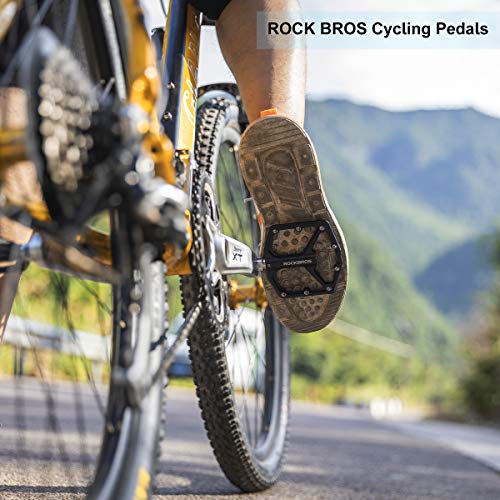


Bontrager Pedals – Performance & Reliability for Every Ride
Our Line Elite MTB pedal combines a slim, durable platform with integrated traction pins for confident control on aggressive trail rides. Built with a forged aluminum body and sealed cartridge bearings, this pedal withstands mud, water, and repeated impacts while maintaining smooth rotation mile after mile.
We designed the concave shape to cradle your foot and maximize grip, especially when conditions get loose or technical. The hex traction pins are adjustable and replaceable, so you can dial in the exact level of bite you need for your riding style.
Pedal specs & compatibility
Materials & Construction Quality
Every pedal in our lineup uses materials selected for the specific demands of its discipline. Our mountain bike pedals feature forged aluminum bodies that resist impact damage from rock strikes and trail debris, while road models use carbon-reinforced composite or full carbon construction to maximize stiffness per gram.
We use sealed cartridge bearings across the range to protect rotation quality from water, mud, and fine grit that can infiltrate lesser designs. The bearing systems are pressed into machined races for precise alignment and minimal play. Axles are manufactured from chromoly steel or titanium depending on the model, providing the strength needed to handle sustained pedaling forces without flex or failure.
Cleat Compatibility & Installation
Our road pedals use the widely adopted 3-bolt cleat pattern compatible with Look Keo-style cleats, giving you flexibility to choose cleat float and release angle based on your biomechanics and comfort preferences. Mountain bike clipless models follow the 2-bolt SPD standard, ensuring compatibility with virtually all mountain and gravel cycling shoes.
Installation requires a 15mm pedal wrench or 6mm or 8mm hex key depending on the model. We mark pedals with clear “L” and “R” indicators, and each pedal’s threading direction follows the standard: right pedal tightens clockwise, left pedal tightens counterclockwise. Apply a small amount of grease to crank arm threads before installation to prevent seizing and simplify future removal.
Performance Across Disciplines
Bontrager pedals are engineered to excel in their intended environments while sharing our commitment to durability and value. Road models prioritize stiffness and aerodynamics, with low-stack designs that position your foot closer to the crank spindle for improved power transfer efficiency and biomechanical alignment.
Mountain bike pedals balance mud clearance with secure engagement, using open architectures that allow debris to exit quickly without compromising retention strength. Platform pedals deliver confidence on technical descents and jump landings through concave shapes and aggressive pin placement.
More Bontrager Components & Accessories



Rated 4.8 by verified buyers

Common Questions About Bontrager Pedals
Yes, our road pedals use the industry-standard 3-bolt cleat pattern compatible with Look Keo-style cleats from any manufacturer. Mountain bike clipless models follow the 2-bolt SPD standard, ensuring compatibility with Shimano, Crankbrothers, and other major brands' cleats.
You can use Bontrager cleats with other pedal systems following the same standards, and vice versa. Float angles and release characteristics may vary slightly between cleat brands even on the same pedal.
With proper care, our pedals typically deliver 3,000–5,000 miles before requiring bearing service or replacement. Sealed bearing systems protect internal components, but riding conditions significantly impact longevity.
Inspect pedals every 2,000 miles for excessive play or rough rotation. Replace bearings when you detect grinding or looseness. Traction pins on platform pedals should be checked monthly and replaced if bent or stripped. Clean and dry pedals after wet rides to maximize service life.
Most of our clipless models include tension adjustment screws accessible with a 3mm hex key. Turn clockwise to increase the force required for cleat release, counterclockwise to decrease.
We recommend starting with lower tension settings if you're new to clipless systems, then increasing gradually as your confidence builds. Adjustment range varies by model but typically spans beginner-friendly to race-secure settings.
Road pedals prioritize stiffness, low weight, and aerodynamic profiles for efficient power transfer on pavement. They use larger 3-bolt cleats with more surface area contacting the pedal body. Mountain bike pedals feature smaller 2-bolt cleats with recessed mounting that allows walking comfort, plus open architectures designed to shed mud.
Platform dimensions differ as well—road pedals use wider platforms for pressure distribution during long rides, while MTB clipless pedals stay compact to avoid rock strikes on technical terrain.
Cleat inclusion varies by model and purchase location. Our premium road pedals typically include compatible cleats in the box, while entry-level and mountain bike models may sell pedals and cleats separately to give you flexibility in choosing float angle and release characteristics.
Check product specifications or ask at purchase to confirm what's included. All pedals ship with necessary installation hardware like mounting bolts and tension adjustment keys.
Yes, all Bontrager pedals use the industry-standard 9/16" x 20 TPI threading compatible with adult bike cranks worldwide. This standard applies across road, mountain, gravel, and hybrid bicycles from all major manufacturers.
Children's bikes and some vintage models may use 1/2" threading, which is incompatible. Verify your crank arm threading before purchase if you have an unusual or older bicycle.
Pedals are marked with "L" for left and "R" for right. The right pedal has standard right-hand threading (turn clockwise to tighten). The left pedal uses reverse threading (turn counterclockwise to tighten).
Apply a thin layer of grease to crank arm threads, align the pedal spindle carefully to avoid cross-threading, then tighten firmly with a 15mm pedal wrench or hex key. Proper installation torque is typically 35–40 Nm. Both pedals tighten in the direction of forward pedaling, which prevents them from loosening during normal riding.