

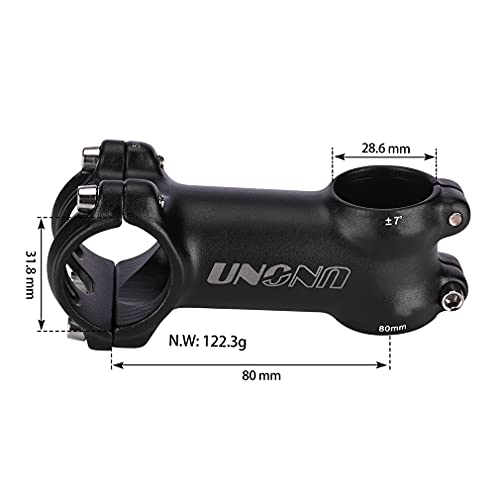

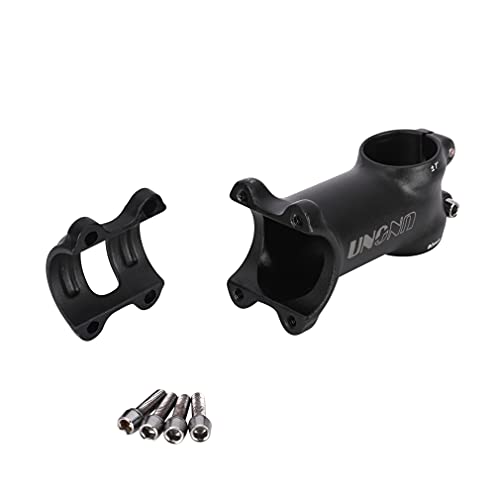


Bontrager Stem – Precision Bike Stems for Road & Mountain
Our Elite stem delivers the responsive steering and confident handling you need for aggressive riding. We engineered this stem with proven geometry and durable 6061-T6 aluminum construction to handle everything from technical singletrack to fast road descents.
The four-bolt faceplate distributes clamping force evenly across your handlebar, preventing stress points while ensuring secure attachment. Available in lengths from 70mm to 130mm and angles of -7° or +17°, you'll find the exact position to optimize your riding posture and bike handling.
Engineering details
Construction & Materials
We manufacture every Bontrager stem using aerospace-grade aluminum alloys chosen specifically for cycling applications. Our Elite and Comp models utilize 6061-T6 aluminum, which offers an ideal balance of strength, stiffness, and fatigue resistance for everyday riding and racing.
The Pro stem steps up to 7075-T6 aluminum, the same alloy used in high-stress aircraft components. This material delivers 12% greater tensile strength than 6061, allowing us to remove material in non-critical areas while maintaining structural integrity. The CNC machining process we employ creates precise tolerances and smooth interfaces where your handlebar and steerer tube make contact.
Sizing & Fit Guidance
Choosing the correct stem length directly impacts your bike’s handling characteristics and your comfort over long rides. A shorter stem creates quicker steering response and shifts your weight rearward, while a longer stem stabilizes high-speed handling and moves you forward into a more aerodynamic position.
Road riders typically use stems between 90mm and 120mm, with the exact length determined by your frame size, flexibility, and riding style. Mountain bikers generally opt for shorter stems—35mm to 60mm—to complement modern slack head tube angles and wider handlebars. If you’re positioned correctly, your shoulders should align roughly over your hands when riding on the hoods or grips.
Installation & Torque Specifications
Proper installation of your Bontrager stem ensures safe operation and optimal performance. Always use a calibrated torque wrench—over-tightening can crack your handlebar or steerer tube, while under-tightening allows dangerous movement.
Tighten the steerer tube clamp bolts to 5 Nm in an alternating pattern, checking that the stem sits perpendicular to your front wheel. For the faceplate bolts, start at 3 Nm and gradually increase to 5 Nm, alternating between bolts in a cross pattern. This staged tightening prevents uneven pressure that could damage your handlebar.
Upgrade Your Cockpit with Bontrager Components



Rated 4.8 by verified buyers

Common Questions About Bontrager Stems
Most road riders use stems between 90mm and 120mm, with the specific length depending on your frame size, torso length, and flexibility. A longer stem creates a more stretched-out, aerodynamic position, while a shorter stem offers quicker handling and reduces strain on your lower back.
Start with your bike manufacturer's recommended stem length for your frame size, then adjust based on comfort and handling preference. If you experience neck or shoulder pain, try going 10mm shorter. If your bike feels twitchy or you want more stability at speed, consider going 10mm longer.
While the steerer tube and handlebar clamp diameters are often compatible, we don't recommend using road stems for mountain biking. Road stems are designed for the smoother surfaces and different geometry of road bikes.
Our mountain-specific stems like the Comp Mountain model feature reinforced construction to handle trail impacts, shorter lengths that complement modern slack-angle frames, and geometry optimized for wider handlebars. Using the right stem for your discipline ensures both safety and optimal performance.
A properly maintained stem can last many years, but you should replace it immediately after any significant crash or if you notice cracks, deformation, or damage. Inspect your stem every few months for stress cracks around bolt holes or clamping areas.
Aluminum stems don't have an expiration date, but they do experience fatigue over time. If your stem is more than 10 years old or has seen heavy use, consider replacement as preventive maintenance. Never continue using a stem that shows any visible damage—the consequences of failure are severe.
The Pro stem uses 7075-T6 aluminum and CNC machining to achieve lower weight—about 30 grams less than the Elite at comparable lengths. It's designed for riders who prioritize every gram and want maximum stiffness for racing.
The Elite stem uses 6061-T6 aluminum and delivers excellent performance at a lower price point. For most riders, including serious enthusiasts, the Elite provides all the stiffness and durability you need. Choose the Pro if you're racing competitively or building an ultra-light bike where every component's weight matters.
Yes, we strongly recommend using a calibrated torque wrench for stem installation. The correct torque specification is 5 Nm for both steerer tube clamp bolts and faceplate bolts.
Over-tightening can crack your carbon steerer tube or handlebar, while under-tightening allows dangerous movement that can cause loss of control. Torque wrenches designed for bicycles are inexpensive and essential for safe component installation. Most bike shops will install your stem correctly if you're not equipped to do it yourself.
A -7° stem can lower your handlebar position by approximately 10-15mm compared to a +17° stem, depending on the stem length. However, stem angle is just one factor in handlebar height—spacers below and above your stem also play a major role.
Before choosing a negative-angle stem, assess your current position. If you're already slammed with no spacers under your stem, a negative angle provides additional drop. If you have spacers below your stem, you might achieve the same position by moving spacers above the stem and using a 0° or even +7° angle.
Yes, all Bontrager stems are safe to use with carbon steerer tubes when properly installed. The key is following correct torque specifications—always use 5 Nm for steerer clamp bolts and tighten in an alternating pattern.
Many riders apply a thin layer of carbon assembly paste to increase friction and prevent slipping at lower torque values. Never exceed the recommended torque on a carbon steerer tube, as over-tightening can cause internal damage that isn't visible but compromises structural integrity. If you're uncertain about installation, have a professional bike mechanic handle it.