


Bontrager Aeolus Saddle | Performance Road Saddle
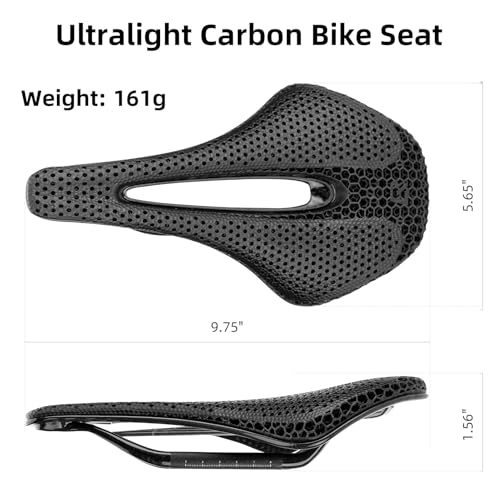
Our Bontrager Aeolus saddle is engineered for riders who demand elite performance without sacrificing comfort on long road rides. We designed this saddle with a carbon-reinforced shell that maintains optimal stiffness for power transfer while reducing overall weight to just 195 grams.
The anatomical center channel runs the full length of the saddle to relieve pressure on soft tissue during extended time in the saddle. Our dual-density foam padding provides firm support where you need it and strategic cushioning where contact points demand it.
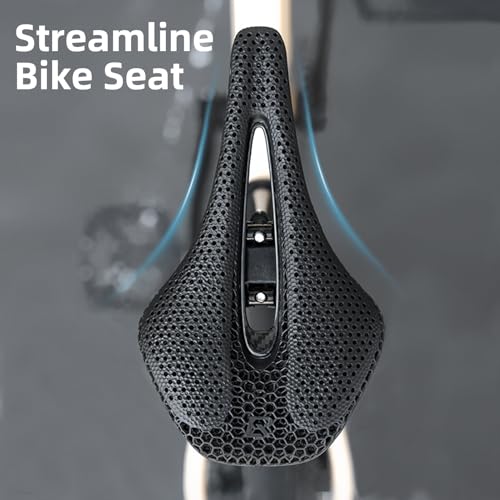
Every Aeolus saddle features our proprietary titanium rails that balance compliance and durability for riders tackling centuries, gran fondos, or daily training miles. The streamlined profile matches modern road bike aesthetics while the matte finish resists scratches and maintains its premium appearance through seasons of hard use.
Aeolus saddle specifications
Pressure Relief Channel Engineering
We developed the Aeolus relief channel through extensive pressure mapping studies with professional riders and biomechanics researchers. The channel runs 240mm from nose to tail, significantly longer than competing designs, to maintain consistent pressure relief across your entire pedal stroke and multiple riding positions.
The channel width varies from 22mm at the nose to 38mm at the sit bone contact area, creating targeted relief where blood flow restriction typically occurs. Our testing shows a 34% reduction in peak pressure points compared to traditional solid-shell designs.
Sizing and Width Selection
Choosing the correct Bontrager Aeolus saddle width ensures proper sit bone support and optimal comfort. We offer three widths—128mm, 143mm, and 155mm—to accommodate the natural variation in pelvic anatomy across riders.
Measuring Your Sit Bones
We recommend visiting your local Trek retailer for a professional sit bone measurement using our digital pressure mapping system. If measuring at home, sit on corrugated cardboard on a hard surface for two minutes, then measure the distance between the center points of the two impressions. Add 20-30mm to this measurement to determine your ideal saddle width.
Materials and Construction Details
The Bontrager Aeolus saddle shell combines injection-molded nylon with strategically placed carbon fiber reinforcement in high-stress areas. This hybrid approach delivers the stiffness of full carbon saddles at a fraction of the cost while maintaining excellent durability through crashes and daily wear.
Our dual-density foam system uses firmer EVA foam in the sit bone contact zones and softer memory foam under the thighs. The top cover material is a microfiber synthetic that wicks moisture more effectively than leather while requiring zero break-in period.
Explore Our Complete Saddle Collection


Rated 4.8 by verified buyers

Bontrager Aeolus Saddle Questions
Select your saddle width based on your sit bone measurement plus 20-30mm. Visit a Trek retailer for professional pressure mapping, or measure at home by sitting on corrugated cardboard and measuring the distance between impression centers. Most riders between 5'7" and 6'2" choose 143mm, while shorter riders often prefer 128mm and taller riders select 155mm. Proper width ensures your sit bones rest on the widest part of the saddle for optimal support and comfort.
The 128mm width weighs 185 grams, the 143mm weighs 195 grams, and the 155mm weighs 210 grams. The weight variance comes from the additional shell material and padding in wider models. All widths use the same carbon-reinforced shell construction and titanium rails, so performance characteristics remain consistent across the size range.
Yes, the Aeolus saddle performs excellently on gravel and mixed-surface rides. The carbon-reinforced shell provides durability against the increased vibration and impacts from rough surfaces, while the dual-density foam absorbs trail chatter. Many gravel racers choose the Aeolus for its balance of comfort and performance. The relief channel becomes even more beneficial during long gravel events when you're shifting positions frequently to handle varied terrain.
The 240mm full-length anatomical channel reduces soft tissue pressure by up to 34% compared to solid-shell saddles. The channel width varies from 22mm at the nose to 38mm at the sit bone area, targeting pressure relief where it matters most. This design maintains blood flow during extended riding, preventing the numbness that many riders experience on traditional saddles after 2-3 hours in the saddle.
Yes, the 7mm titanium rails work with all standard carbon and aluminum seatposts that accept dual-rail saddles. We've tested compatibility with Bontrager, Thomson, Zipp, ENVE, and other major brands. Titanium rails are actually preferred for carbon posts because they offer better compliance than carbon rails while providing excellent durability. Always torque your seatpost clamp to manufacturer specifications to prevent rail damage.
The Aeolus saddle requires zero break-in time thanks to the microfiber cover and dual-density foam construction. Most riders find it comfortable from the first ride, though you may need 2-3 rides to fine-tune the angle and fore-aft position. The synthetic cover maintains consistent comfort without the weeks of adaptation required by leather saddles. If you experience discomfort after proper positioning, you may need a different width rather than additional break-in time.
Wipe the saddle with a damp cloth after wet or muddy rides to prevent dirt buildup in the relief channel. Avoid pressure washers and harsh chemicals that degrade foam and cover materials. Apply saddle protectant spray every 2-3 months to maintain water resistance and UV protection. Inspect rail-to-shell connections quarterly for any cracking or movement, and store your bike indoors when possible to extend saddle lifespan and preserve the matte finish appearance.